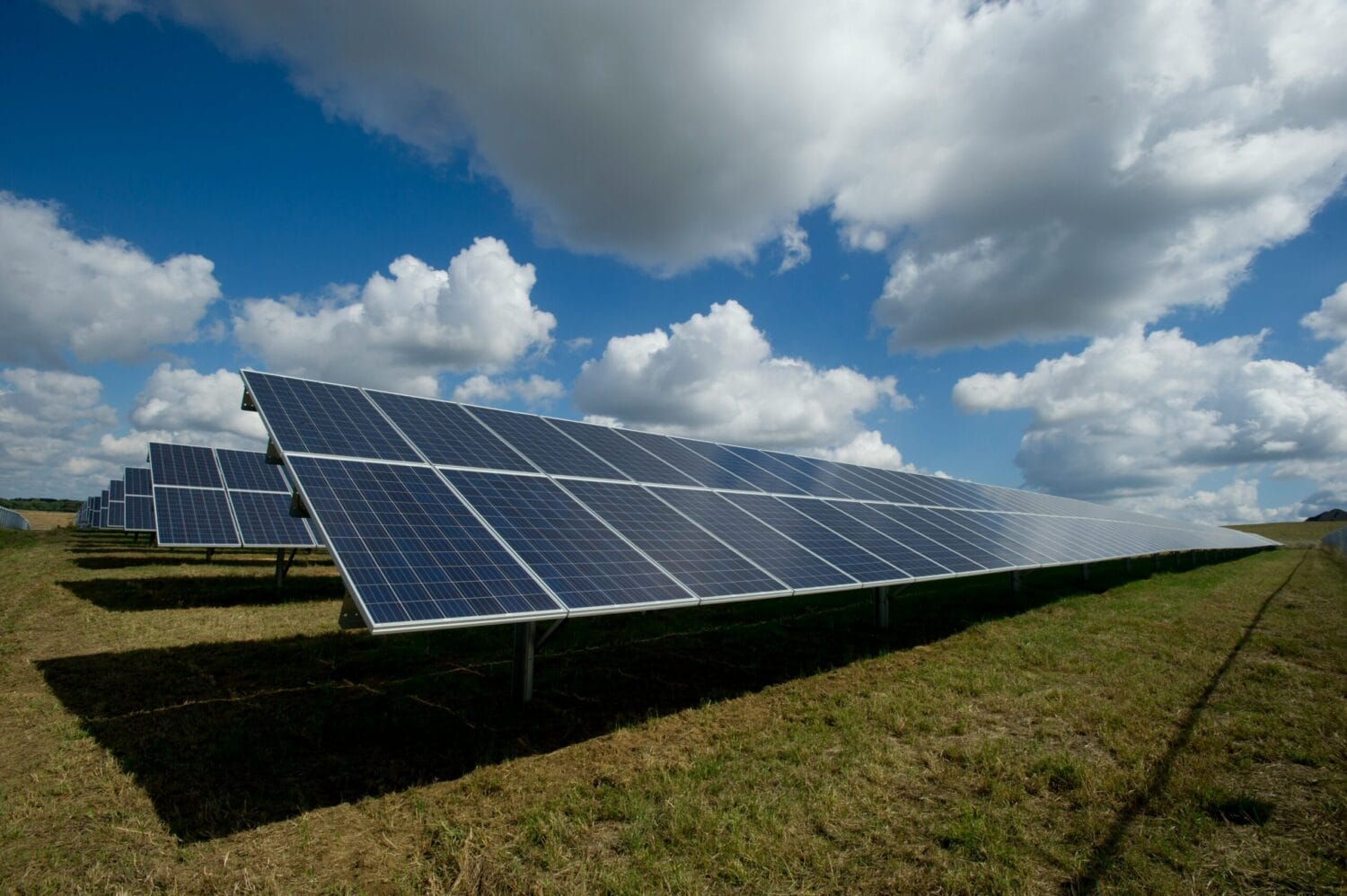
Switching to solar is no longer a fringe trend. With equipment prices at multi-year lows and generous government incentives on the table, a 5 kW rooftop solar system has become the sweet spot for thousands of Indian homes and small businesses in 2025. This in-depth guide—clocking in at roughly 3,000 words—breaks down today’s costs, subsidy rules, real-world returns, design tips, and maintenance best practices so you can make an informed, wallet-friendly leap into clean energy.


Recommended Read: 3 kW solar system price


1. Why Focus on the 5 kW Segment?

A 5 kW array produces about 20–25 kWh per day, or 7,000 kWh annually, enough to cover the electricity needs of a mid-size urban household running multiple air-conditioners, kitchen appliances, and electronics. It also:

  • Fits under most DISCOM net-metering caps (≤10 kW for residential consumers).

  • Requires a manageable 350–450 sq ft of shadow-free roof space when using modern 500–550 W mono-PERC modules.

  • Offers economies of scale: per-watt installation cost falls from roughly ₹65/W for a 1 kW system to ₹60/W at 5 kW, saving up-front capital.

2. Current Price Snapshot (Mid-2025)

System TypeTypical All-Inclusive Range*Best Suited For
On-Grid₹2.50 L – ₹3.50 LUrban homes with reliable grid supply
Off-Grid₹3.50 L – ₹4.50 LRural areas with frequent blackouts
Hybrid₹4.50 L – ₹5.50 LUsers wanting backup plus net-metering
 

*Prices include panels, inverter, standard mounting, DC/AC wiring, protections, and installation but exclude optional extras such as elevated structures or premium warranties.

3. Component-Wise Cost Breakdown

ComponentShare of Total CostPrimary Price Drivers
Solar Modules (10–12 pcs)45–50%Mono vs. poly, bifacial gain
Inverter (grid-tie or hybrid)15–20%Brand, Wi-Fi monitoring, warranty length
Mounting Structures8–12%Roof type, tilt angle, corrosion protection
Balance of System (cables, MC4)5–8%Copper prices, conduit lengths
Design & Installation Services10–12%Regional labour, logistics
Battery Bank*15–30%Lithium vs. lead-acid, DoD (only off-grid/hybrid)
 

Choosing high-efficiency 540 W bifacial panels can shave one or two modules off the bill of materials while boosting annual yield by 5–8%.

4. State-Wise Price Variation (On-Grid, Pre-Subsidy)

State5 kW Price Range (₹)
Gujarat2,88,000 – 3,55,000
Maharashtra3,06,000 – 3,61,000
Madhya Pradesh3,13,000 – 3,67,000
Uttar Pradesh3,09,000 – 3,90,000
Rajasthan3,16,000 – 3,71,000
Delhi-NCR3,08,000 – 3,93,000
Telangana3,37,000 – 3,85,000
Karnataka3,66,000 – 4,18,000
 

Regional labour rates, roof access complexity, and local inverter distributors explain most of the spread.

5. Central & State Subsidies (2025)

5.1 PM Surya Ghar Muft Bijli Yojana

Residential systems ≥3 kW receive a flat ₹78,000 subsidy credited directly to the homeowner’s bank account once the plant is commissioned and uploaded to the national portal.

5.2 State Top-Ups

Some state DISCOMs sweeten the pot:

  • Uttar Pradesh: Additional 40% support on the first 1 kW and 20% on the next 2–9 kW, lowering a 5 kW project by another ₹40,000–₹50,000.

  • Gujarat: Capital incentive of ₹10,000 per kW, subject to budget availability.

  • Telangana & Karnataka: Waiver of net-metering application fees plus expedited approvals, trimming soft costs.

5.3 Net Out-of-Pocket Cost

StatePost-Subsidy Range (₹)
Gujarat2,10,000 – 2,77,000
Maharashtra2,28,000 – 2,83,000
Uttar Pradesh2,01,000 – 2,82,000
Rajasthan2,38,000 – 2,93,000
Delhi-NCR2,30,000 – 3,15,000
 

6. Financial Analysis: Savings, Payback, ROI

6.1 Annual Bill Offset

Average residential tariff = ₹8/kWh.
Annual generation ≈ 7,000 kWh → ₹56,000 saved each year.

6.2 Payback Period

  • On-Grid (with ₹78k subsidy): Capex ~₹2.7 L → payback 4–5 years.

  • Hybrid: Capex ~₹4.7 L → payback 6–7 years.

6.3 Lifetime Returns

Over a 25-year module warranty, factoring 2% annual degradation and 5% grid-tariff escalation, cumulative savings exceed ₹25–30 Lakh, translating into an Internal Rate of Return (IRR) of 15–20%, rivaling many equity mutual funds.

7. Space & Design Considerations

  • Roof Area: 25–35 m² (≈380–430 sq ft) of shade-free space.

  • Panel Orientation: South-facing at a tilt equal to local latitude ±10° maximizes yearly output. West-optimized arrays may better match evening consumption in metro regions.

  • Structural Load: Modern panels weigh ~11–13 kg/m²; most RCC roofs can handle the additional 20–25 kg/m² live load after accounting for frame weight. Always verify with a structural engineer.

8. Step-by-Step Installation Timeline

DayActivity
1Site survey: shadow analysis, roof integrity check
2–3Electrical design & quotation approval
4Subsidy portal registration, advance payment
5–6Procurement of panels, inverter, BoS
7–9Mounting structure fabrication, anchor testing
10–11Panel installation, DC & AC cabling
12Earthing, SPD installation, Wi-Fi commissioning
13Internal quality audit, thermal imaging
14DISCOM inspection, bidirectional meter swap
15System hand-over, warranty documentation upload
 

Experienced EPCs can compress this to 10–12 days with parallel workflows.

9. O&M Best Practices

  • Panel Cleaning: Quarterly in low-dust zones; monthly near highways or industrial areas. A 5% drop in performance often signals soiling.

  • Performance Monitoring: Track daily yield via the inverter app and set automated alerts for >10% deviations.

  • Annual Electrical Audit: Torque check on MC4 connectors, busbars, and earthing; firmware updates for smart inverters.

  • Battery Care (hybrid/off-grid): Maintain lithium SoC between 20–90%; ensure lead-acid rooms have ventilation fans.

A preventive maintenance contract costs ₹3,000–₹4,000 per year—a tiny slice of yearly savings.

10. Environmental Impact

Metric (5 kW)Annual Benefit25-Year Cumulative
CO₂ Avoided5–6 tonnes125–150 tonnes
Coal Displaced2.5 tonnes60–65 tonnes
Trees Equivalent230 saplings5,700 saplings
 

Switching to solar is one of the fastest personal actions to meet India’s 2070 net-zero pledge.

11. Common Mistakes to Avoid

  1. Ignoring Roof Shadows: Nearby water tanks or rising parapets can slash annual yield by 10–30%.

  2. Under-Sizing the Inverter: Leave at least 10–20% spare DC input capacity for future module additions.

  3. Skipping Structural Vetting: Cracked RCC slabs may need retrofitting before anchor drilling.

  4. Assuming All Subsidies Are Automatic: Only installations by MNRE-empanelled vendors qualify; uploading photos and DISCOM letters is mandatory.

  5. Neglecting Insurance: Add the plant to your home insurance rider to cover fire or storm damage.

12. Frequently Asked Questions

Q1. How many panels make up a 5 kW system in 2025?
Using 545 W bifacial mono-PERC modules, you need 10–11 panels.

Q2. Will solar run my entire house at night?
Grid-tied systems export surplus by day and import at night. To stay powered during outages, opt for a hybrid inverter plus a 10–12 kWh lithium battery.

Q3. How long do panels really last?
Warranties cover 25 years to 80% of nameplate output, but field data shows many arrays still produce >85% after 30 years.

Q4. Can I expand later?
Yes—leave roof space and choose an inverter with unused DC inputs (or add a secondary inverter).

Q5. Does installing solar raise property value?
Studies suggest solar-equipped homes fetch 3–5% higher resale prices, largely due to lower utility bills.

13. Financing Options in 2025

Financing RouteInterest RateTenorIdeal For
Green Home Loans (PSU banks)7.5–9%Up to 10 yrsNew home buyers
NBFC Solar Loans12–14%3–5 yrsQuick disbursal seekers
OPEX/Lease Model0% (lease fee)5–7 yrsZero-down adopters
Credit-Card EMIs0–14%6–18 moTicket sizes <₹3 L
 

Banks increasingly treat rooftop solar as a secured asset, speeding up approvals.

14. Action Checklist Before You Sign

  • Gather 12 months of electricity bills to confirm daily kWh demand.

  • Measure roof shading at 10 AM, noon, and 3 PM using a smartphone sun-path app.

  • Short-list three MNRE-approved EPCs and compare their per-watt quotes, panel brands, inverter specs, and O&M clauses.

  • Read the fine print on workmanship warranties (ideally 5 years).

  • Apply for subsidy immediately after work order confirmation to lock benchmark prices.

15. Conclusion: Sunshine That Pays Dividends

A 5 kW rooftop solar plant in 2025 is far more than a green statement—it’s a high-yield financial instrument. For roughly ₹2–3 Lakh net of subsidies, you can slash yearly power bills by ₹56,000, break even within five years, and enjoy two decades of low-maintenance, zero-fuel electricity. Add in environmental benefits, rising property valuations, and newfound energy independence, and the case for solar sells itself.

Ready to start?

  1. Check your average monthly consumption.

  2. Survey your roof for shade-free real estate.

  3. Request site visits from certified installers.

Within a fortnight, you could be watching your bidirectional meter spin backward—proof that every sunrise now puts money back in your pocket.

Unlock the full potential of solar energy in Surat with this comprehensive, SEO-optimized guide. Whether you’re a business owner or homeowner, find everything you need to know about solar panel installation in Surat – costs, benefits, subsidies, top companies, installation process, and more.


1. Introduction to Solar Power in Surat

Surat, known as the Diamond City of India, is rapidly emerging as a leader in clean and green energy adoption. The city boasts a robust infrastructure for both residential and industrial solar panel installations, driven by the growing demand for sustainable and cost-effective energy solutions. With increasing sunlight intensity throughout the year and favorable government policies, Surat is the ideal marketplace for solar panel installation.


2. Why Choose Solar Energy?

Environmental Impact

  • Reduce carbon footprint: Solar energy is clean, renewable, and emission-free, helping Surat combat rising pollution levels and climate change.

  • Conserve resources: Decrease dependency on fossil fuels and promote sustainable resource management.

  • Make Surat a model green city: With ambitious targets set by Surat Municipal Corporation (SMC), transformed Surat into a benchmark for renewable energy adoption.

Economic Savings

  • Slash electricity bills: Households and industries save up to 50–90% on power costs by switching to solar.

  • Earn through net metering: Feed excess energy back to the grid and receive compensation from your utility provider, maximizing financial returns.

  • Quick return on investment: Most rooftop solar installations achieve break-even within 2–4 years.

Government Initiatives

  • Strong policy support: The Gujarat Government and SMC offer lucrative incentives and support for solar panel installations in Surat—both for homes and industries.

  • “Solar City” mission: Surat has been recognized as a “solar city” for scaling up renewable energy generation and installing thousands of rooftop solar plants.

3. Types of Solar Panel Systems

On-Grid (Grid-Tied) Systems

  • Connected directly to the local electricity grid.

  • Ideal for urban homes, commercial buildings, and factories.

  • Allows net metering, earning credit for surplus power supplied to the grid.

Off-Grid Systems

  • Standalone solar solutions with battery backup.

  • Suitable for remote or rural areas with unreliable grid supply.

  • Ensures power independence but requires higher initial investment.

Hybrid Systems

  • Combine features of both on-grid and off-grid, with grid connection and backup storage.

  • Offer reliability and maximum energy utilization.

4. Solar Panel Installation Cost in Surat

Understanding current costs is crucial for making informed decisions. Prices vary based on the nature of the installation (residential or industrial), panel type, brand, installation complexity, and available subsidies.

Residential Solar Panel Price in Surat

System SizePrice Range (INR, Before Subsidy)Subsidy (INR)Net Price (After Subsidy)
1kW60,000–110,000 / 75,000–85,00030,00045,000–55,000
2kW140,000–180,000/ 150,000–170,00060,00090,000–110,000
3kW180,000–240,000/ 189,000–215,00078,000111,000–137,000
4kW240,000–320,000/ 252,000–286,00078,000174,000–208,600
5kW300,000–400,000/ 315,000–357,00078,000237,000–279,000
10kW600,000–800,000/ 531,000–607,00078,000453,000–529,000
 
  • Note: Final rates depend on panel wattage, brand, inverter technology, and installation service quality.

Industrial & Commercial Solar Panel Price

Industrial solar projects in Surat typically involve larger system sizes (20kW to multiple MW). Pricing is more variable, impacted by scale, location, grid connectivity, and advanced features like real-time monitoring and automation.

  • Ballpark price for industrial setups: ₹30,000–₹45,000 per kW, with additional discounts at higher capacities.

  • Annual maintenance contracts are often bundled for reliability.

5. Government Subsidy and Incentives for Solar in Gujarat

The Gujarat government, supported by the Ministry of New and Renewable Energy (MNRE), offers attractive subsidies to promote adoption of solar panels in Surat:

Key Points

  • Up to 40% subsidy for residential rooftop solar systems (up to 3kW), 20% for 4–10kW installations.

  • Simple application procedure: Apply online through official state portals or via authorized solar installers in Surat.

  • Net metering benefits: Earn money by exporting surplus energy to the grid.

  • Low-interest loans and easy EMI options offered in partnership with leading banks.

Latest Subsidy Structure (2025)

  • For 1–3kW: ₹30,000 per kW (up to 40% of benchmark cost.

  • For 4–10kW: ₹18,000 per kW (20% subsidy).

  • Additional local government top-ups may be available in Surat. Confirm with your installer or SMC.

6. Step-by-Step Solar Panel Installation Process in Surat

Understanding the installation process helps you plan better and ensures a smooth experience.

Step 1: Site Assessment and Consultation

  • Expert visit to analyze roof strength, shading, direction, and available space.

  • Load survey and energy needs assessment.

  • Feasibility report and detailed project proposal.

Step 2: Design and Quotation

  • Customized system design—component selection based on budget and requirements.

  • Transparent quote with details on pricing, expected savings, payback period, and subsidy.

Step 3: Documentation & Subsidy Application

  • Assistance in preparing and submitting documents for government subsidy and net metering approvals.

  • Liaison with SMC or local electricity utility for permissions.

Step 4: Procurement and Logistics

  • High-quality solar panels, inverters, batteries (if needed), and mounting structures are sourced and delivered for installation.

Step 5: Installation

  • Mounting of panel array, installation of inverter and other electricals.

  • Electrical wiring, safety checks, and integration with existing grid or backup systems.

  • Typical residential installations can be completed within 1 week.

Step 6: Testing and Commissioning

  • System testing for efficiency, safety, and grid compatibility.

  • Final inspection and demonstration for the owner.

Step 7: Post-Installation Support

  • Handing over operation manuals and warranty cards.

  • Annual maintenance contract setup (optional).

  • Regular performance tracking and troubleshooting.

7. Maintenance and Aftercare

Long-term efficiency and savings are possible with regular system maintenance:

  • Cleaning: Dust and debris removal every 1–2 months boosts panel performance.

  • Annual Inspection: Full system check to identify fault lines, wiring issues, and panel degradation.

  • Inverter health: Monitor and maintain inverters using digital dashboards or apps provided by major installers.

  • Warranty: Most panels and inverters have 10–25 years warranty.

  • AMC: Opt for annual maintenance contracts, especially for industrial and large-scale systems.

8. Frequently Asked Questions

Is Surat a suitable city for solar panel installation?

Absolutely. Surat receives high solar insolation year-round and city-wide efforts have led to a 30% increase in renewable energy capacity over the past 18 months.

What subsidies are available for solar panels in Surat?

Residential users can avail subsidies up to ₹78,000, while commercial and industrial users benefit from net metering and loan schemes.

How long does installation take?

Most residential projects are completed within 7 days, whereas industrial projects might take a few weeks depending on scale and approvals.

Will my solar system run during a power outage?

Only off-grid or hybrid systems with battery backup supply power during outages. Pure on-grid systems shut down during grid failure to ensure safety.

What brands of panels and inverters are available in Surat?

Top brands include Tata Power Solar, Luminous, Goldi Green, Solarium, and others, available through authorized local dealers.

How much can I save with solar panels in Surat?

Savings up to 90% on electricity bills are possible, depending on system size, usage, and prevailing tariffs. Net metering enhances overall returns.


9. Conclusion

Investing in solar panel installation in Surat offers significant financial, environmental, and strategic benefits. With government subsidies, robust local expertise, and advanced technology, Surat’s residential and industrial rooftops are well positioned to be solar-powered. Reduce your electricity bill, increase your property value, and contribute to a greener Surat—make the switch to solar energy today!

Ready to Embrace Solar in Surat?

Ahmedabad, the commercial capital of Gujarat, stands at the forefront of India’s solar revolution. As businesses across the city grapple with rising electricity costs and increasing environmental responsibilities, commercial solar panels have emerged as the most viable solution for sustainable energy needs. With Gujarat leading India in solar energy adoption and Ahmedabad housing numerous industrial and commercial establishments, the city presents an ideal ecosystem for commercial solar installations.

The textile mills, pharmaceutical companies, chemical industries, and IT parks that define Ahmedabad’s economic landscape are increasingly turning to solar power to reduce operational costs and carbon footprints. The city’s exceptional solar irradiation levels, supportive government policies, and robust infrastructure make it a hotbed for commercial solar adoption. Understanding the nuances of commercial solar implementation in Ahmedabad is crucial for businesses looking to harness this opportunity.

Why Ahmedabad is Perfect for Commercial Solar

Ahmedabad’s geographical location provides it with some of the best solar conditions in India. The city receives approximately 5.5-6 kWh per square meter of solar irradiation daily, making it exceptionally suitable for solar power generation. This high solar potential translates directly into better returns on investment for commercial solar installations.

The industrial infrastructure of Ahmedabad is uniquely positioned to benefit from commercial solar installations. Most manufacturing units, office complexes, and commercial buildings have large rooftop spaces that remain underutilized. These expansive roof areas provide ideal platforms for installing commercial solar systems without requiring additional land acquisition.

Ahmedabad’s power consumption patterns align well with solar generation cycles. Peak business hours coincide with maximum solar output, ensuring optimal utilization of generated power. This synchronization between energy production and consumption significantly improves the economics of commercial solar installations.

The city’s stable grid infrastructure supports net metering arrangements effectively, allowing businesses to feed excess power back to the grid during low consumption periods. This grid stability is crucial for commercial operations that cannot afford power disruptions.

Climate considerations also favor Ahmedabad for commercial solar installations. While the city experiences high temperatures during summer months, the relatively low humidity levels and minimal monsoon cloud cover ensure consistent solar energy generation throughout most of the year.

Commercial Solar Market Landscape in Ahmedabad

The commercial solar market in Ahmedabad has experienced remarkable growth over the past five years. Leading EPC companies like Grace Renewable Energy and Ksquare have established themselves as prominent players, offering end-to-end solutions for commercial solar installations. The market has evolved from primarily serving large industrial clients to encompassing medium and small commercial establishments.

Industrial sectors driving commercial solar adoption in Ahmedabad include textiles, chemicals, pharmaceuticals, and engineering industries. These sectors typically have high energy consumption patterns and substantial roof spaces, making them ideal candidates for large-scale commercial solar installations.

The IT and service sectors are emerging as significant adopters of commercial solar solutions. Companies in these sectors are driven not just by cost savings but also by corporate sustainability goals and environmental compliance requirements.

Commercial real estate developers are increasingly incorporating solar installations as standard features in new projects. This trend is particularly prominent in industrial parks, IT complexes, and commercial office buildings where solar installations add value to the property while reducing operational costs for tenants.

Local government initiatives have created a favorable environment for commercial solar growth. The Gujarat government’s pro-solar policies, combined with Ahmedabad Municipal Corporation’s support for green building initiatives, have accelerated commercial solar adoption across the city.

Types of Commercial Solar Systems Available

Commercial establishments in Ahmedabad can choose from several types of solar installations based on their specific requirements, available space, and energy consumption patterns.

Grid-tied systems are the most popular choice for commercial installations in Ahmedabad. These systems connect directly to the electricity grid, allowing businesses to use solar power when available and draw grid power when needed. The net metering facility enables businesses to feed excess power back to the grid, creating additional revenue streams or credits that offset electricity bills.

Hybrid systems combine solar panels with battery storage, providing businesses with energy security and independence. These systems are particularly valuable for commercial operations that cannot afford power disruptions. The battery storage ensures continuity during grid outages while maximizing the utilization of solar-generated power.

Off-grid systems are less common in Ahmedabad’s commercial sector but find applications in remote facilities, construction sites, or businesses seeking complete energy independence. These systems require substantial battery storage and are typically more expensive initially but provide complete autonomy from grid power.

Rooftop installations dominate the commercial solar landscape in Ahmedabad due to space constraints and cost-effectiveness. Most commercial buildings have sufficient rooftop space to accommodate meaningful solar installations that can offset a significant portion of their electricity consumption.

Ground-mounted systems are employed by larger industrial facilities with available land. These installations can be larger and more easily maintained but require dedicated land area that might otherwise be used for business operations.

Floating solar installations are emerging as an innovative solution for industries with water bodies on their premises. While still limited in Ahmedabad, this technology offers potential for maximizing solar capacity without using valuable land or roof space.

Government Policies and Incentives

Gujarat’s progressive solar policies create a conducive environment for commercial solar installations in Ahmedabad. Gujarat offers additional subsidy support of up to 20% on installation costs for commercial projects, complementing central government incentives. However, it’s important to note that commercial setups do not qualify for the standard residential solar subsidies, with government support focused primarily on residential homes and housing societies.

The net metering policy in Gujarat allows commercial establishments to feed excess power back to the grid at attractive rates. This policy enables businesses to monetize surplus solar generation, improving the overall economics of commercial solar installations.

Accelerated depreciation benefits allow businesses to depreciate solar installations at 40% in the first year, providing significant tax advantages. This depreciation benefit substantially improves the return on investment for commercial solar projects.

Banking of units facility allows commercial consumers to bank excess solar units generated during high production periods and use them during low production times. This facility is particularly beneficial for seasonal businesses or those with varying energy consumption patterns.

Open access policies enable large commercial consumers to purchase power directly from solar developers, creating opportunities for power purchase agreements (PPAs) that can provide long-term energy cost certainty.

The Gujarat government has streamlined approval processes for commercial solar installations, reducing bureaucratic delays and making it easier for businesses to implement solar projects quickly.

Financial Analysis and ROI Calculations

Understanding the financial implications of commercial solar installations is crucial for making informed investment decisions. The economics of commercial solar in Ahmedabad are influenced by several factors including system size, technology choice, financing options, and local electricity tariffs.

Initial investment costs for commercial solar installations in Ahmedabad typically range from ₹40,000 to ₹60,000 per kW installed capacity, depending on system size and technology specifications. Larger installations generally achieve better per-unit costs due to economies of scale.

Payback periods for commercial solar installations in Ahmedabad typically range from 4-6 years, depending on the specific circumstances of each installation. Factors influencing payback periods include system size, local electricity rates, financing terms, and available incentives.

Internal rate of return (IRR) for well-designed commercial solar projects in Ahmedabad often exceeds 18-22%, making them attractive investment opportunities. The stable, predictable nature of solar returns makes them particularly appealing compared to many other business investments.

Electricity cost savings form the primary financial benefit of commercial solar installations. With commercial electricity rates in Ahmedabad ranging from ₹6-12 per unit depending on consumption patterns and time of use, solar power at ₹3-4 per unit represents substantial savings potential.

Additional revenue streams from net metering can further improve project economics. Excess power fed back to the grid generates credits or payments that offset electricity bills during low solar production periods.

Tax benefits including accelerated depreciation and various government incentives can significantly improve the effective returns from commercial solar investments. These benefits effectively reduce the net investment required and accelerate payback periods.

Technology Options and Equipment Selection

Choosing the right technology and equipment is crucial for maximizing the performance and longevity of commercial solar installations in Ahmedabad’s challenging climate conditions.

Solar panel technology options include monocrystalline, polycrystalline, and thin-film panels, each with distinct advantages and considerations for commercial applications. Monocrystalline panels offer the highest efficiency and space utilization, making them ideal for rooftop installations with limited space. Polycrystalline panels provide a good balance of performance and cost-effectiveness for larger installations. Thin-film panels, while less efficient, can be suitable for specific applications where weight or flexibility are considerations.

Inverter selection significantly impacts system performance and reliability. String inverters are cost-effective for uniform installations, while power optimizers and microinverters provide better performance monitoring and mitigation of shading issues. For large commercial installations, central inverters might offer better economies of scale.

Mounting systems must be designed to withstand Ahmedabad’s climate conditions including high winds, temperature variations, and monsoon rains. Quality mounting systems ensure long-term structural integrity and optimal panel positioning for maximum energy generation.

Monitoring systems enable real-time tracking of system performance, helping identify maintenance needs and ensuring optimal operation. Advanced monitoring systems provide detailed analytics that help optimize energy consumption patterns and maximize solar utilization.

Energy storage options are becoming increasingly important for commercial installations. Battery systems can provide backup power during outages, enable time-of-use optimization, and increase overall system value by storing excess solar power for use during peak demand periods.

Installation Process and Timeline

The installation process for commercial solar systems in Ahmedabad follows a structured approach that ensures quality, safety, and regulatory compliance.

Initial site assessment involves detailed analysis of roof conditions, structural capacity, shading patterns, and electrical infrastructure. This assessment determines the optimal system design and identifies any necessary modifications to support the solar installation.

System design and engineering create detailed plans specifying panel layout, electrical connections, and structural requirements. Professional design ensures optimal performance while meeting all safety and regulatory requirements.

Regulatory approvals include obtaining necessary permits from local authorities, electrical inspectorate, and utility companies. The streamlined approval processes in Gujarat typically require 2-4 weeks for commercial installations.

Procurement and logistics involve sourcing quality equipment and materials, coordinating deliveries, and preparing installation teams. Establishing clear timelines and quality standards during this phase ensures smooth project execution.

Installation typically takes 1-3 weeks for most commercial projects, depending on system size and complexity. Professional installation teams ensure safety compliance, quality workmanship, and minimal disruption to business operations.

Commissioning and testing verify that all system components function correctly and meet performance specifications. This phase includes safety testing, performance verification, and system documentation.

Grid connection and net metering setup enable the system to begin generating savings and revenue. Utility coordination ensures smooth integration with the local power grid.

Maintenance and Operations

Proper maintenance is essential for ensuring long-term performance and maximizing returns from commercial solar investments in Ahmedabad’s challenging climate.

Regular cleaning is crucial in Ahmedabad’s dusty environment. Dust accumulation can reduce system performance by 15-25%, making regular cleaning essential. Professional cleaning services or automated systems can maintain optimal performance levels.

Performance monitoring should be continuous, with regular analysis of generation patterns, efficiency metrics, and system alerts. Modern monitoring systems provide real-time data that enables proactive maintenance and rapid issue resolution.

Preventive maintenance includes regular inspection of electrical connections, mounting systems, and equipment condition. Scheduled maintenance prevents minor issues from becoming major problems and ensures long-term system reliability.

Component replacement planning helps budget for long-term maintenance costs. Inverters typically require replacement every 10-15 years, while panels are designed to last 25+ years with minimal degradation.

Professional maintenance services can provide comprehensive care for commercial installations. These services often include performance guarantees and can be more cost-effective than managing maintenance in-house.

Emergency response procedures ensure rapid resolution of system issues that could impact business operations. Having established protocols and qualified service providers minimizes downtime and maintains system performance.

Choosing the Right Solar Partner

Selecting an experienced, reliable solar partner is crucial for successful commercial solar implementation in Ahmedabad.

Experience and track record should be primary considerations when evaluating solar partners. Companies like Solar Ace Energy have established themselves as leading providers of commercial solar solutions in Gujarat, offering customized systems and professional installation services.

Technical expertise in commercial installations ensures proper system design, quality installation, and ongoing support. Look for partners with certified engineers and proven experience with similar commercial projects.

Financial stability of solar partners is important for ensuring long-term support and warranty coverage. Established companies with strong financial backing are more likely to honor warranties and provide ongoing service.

Service capabilities including maintenance, monitoring, and support services should be evaluated. Comprehensive service offerings ensure long-term system performance and minimize operational challenges.

Quality certifications and partnerships with leading equipment manufacturers demonstrate commitment to quality and access to the latest technology developments.

Customer references and case studies provide insight into actual performance and customer satisfaction with previous installations. Speaking with existing customers can provide valuable insights into partner performance and service quality.

Future Trends and Opportunities

The commercial solar market in Ahmedabad continues to evolve with new technologies and opportunities emerging regularly.

Energy storage integration is becoming increasingly important as battery costs decline and technology improves. Commercial installations with storage can provide greater energy independence and additional revenue opportunities through demand charge management and grid services.

Electric vehicle charging integration presents new opportunities for commercial solar installations. Businesses can use solar power to charge employee or customer vehicles, creating additional value streams while supporting sustainable transportation.

Smart grid technologies enable more sophisticated energy management and optimization. Advanced systems can automatically optimize energy consumption patterns, storage charging, and grid interactions to maximize economic benefits.

Corporate sustainability requirements are driving increased demand for renewable energy solutions. Many businesses are adopting ambitious carbon reduction goals that make solar installations essential components of their sustainability strategies.

Power purchase agreements (PPAs) are becoming more sophisticated and accessible, allowing businesses to access solar power without significant capital investment. These agreements can provide long-term energy cost certainty while achieving sustainability goals.

Green building certifications increasingly require or reward renewable energy installations. Solar systems contribute to LEED, GRIHA, and other green building ratings that can enhance property values and tenant attraction.

Challenges and Solutions

While commercial solar adoption in Ahmedabad continues to grow, several challenges require careful consideration and planning.

Initial capital requirements can be substantial for large commercial installations. However, various financing options including loans, leases, and PPAs make solar accessible to businesses with different financial circumstances.

Space constraints in dense commercial areas can limit installation size. Innovative mounting solutions, high-efficiency panels, and creative space utilization can help maximize solar capacity within available areas.

Grid integration challenges can arise with large installations. Proper planning, utility coordination, and appropriate equipment selection ensure smooth grid integration and optimal performance.

Maintenance requirements in Ahmedabad’s dusty climate demand regular attention. Professional maintenance services or automated cleaning systems can effectively address these requirements while maintaining system performance.

Technology selection complexity can overwhelm businesses unfamiliar with solar technology. Working with experienced partners and focusing on proven technologies helps navigate these decisions effectively.

Conclusion

Commercial solar panels represent a transformative opportunity for businesses in Ahmedabad. The combination of excellent solar resources, supportive government policies, mature technology, and compelling economics creates an ideal environment for commercial solar adoption.

The financial benefits of commercial solar installations in Ahmedabad are substantial, with typical payback periods of 4-6 years and returns exceeding 18-22%. Beyond financial returns, solar installations help businesses achieve sustainability goals, enhance their environmental credentials, and gain energy independence.

Success in commercial solar implementation requires careful planning, appropriate technology selection, and partnership with experienced professionals. The mature solar ecosystem in Ahmedabad provides access to quality equipment, skilled installers, and comprehensive support services.

As technology continues to advance and costs decline, commercial solar opportunities in Ahmedabad will only become more attractive. Businesses that act now can gain first-mover advantages while contributing to Gujarat’s leadership in renewable energy adoption.

The transition to solar power represents more than just an energy choice – it’s an investment in sustainable business practices, cost control, and environmental responsibility. For businesses in Ahmedabad, commercial solar panels offer a proven path to achieving these multiple objectives while generating attractive financial returns.

With proper planning, quality implementation, and ongoing maintenance, commercial solar installations in Ahmedabad can provide decades of reliable, clean energy while contributing to business success and environmental sustainability.


Gujarat has emerged as India’s solar powerhouse, leading the nation in renewable energy adoption. With abundant sunshine throughout the year and government support for solar initiatives, more homeowners and businesses are investing in solar panel systems. However, the state’s unique climate presents specific challenges that can significantly impact solar panel performance if not properly addressed.

The dusty winds from the Thar Desert, monsoon rains, and intense summer heat create a complex environment for solar installations. Understanding how to maintain your solar panels in these conditions isn’t just about keeping them clean – it’s about protecting your investment and ensuring optimal energy production year-round.

Understanding Gujarat’s Climate Impact on Solar Panels

Gujarat’s climate is predominantly semi-arid, with distinct seasons that each pose unique challenges for solar panel maintenance. The state experiences scorching summers with temperatures often exceeding 45°C, followed by monsoon seasons that bring heavy rainfall and humidity. The winter months are relatively mild but come with their own set of concerns, particularly regarding dust accumulation.

The most significant challenge facing solar panel owners in Gujarat is dust accumulation. The state’s proximity to the Thar Desert means that fine particles of sand and dust are constantly in the air, especially during the summer months. These particles settle on solar panels, creating a film that can reduce energy output by 15-30% if left unaddressed.

During the monsoon season, while rain can help wash away some dust, it also brings high humidity levels that can affect electrical connections and promote the growth of algae or mold on panel surfaces. The combination of dust and moisture can create a stubborn layer that requires specific cleaning techniques to remove effectively.

Temperature fluctuations also play a crucial role in solar panel maintenance. The extreme heat during summers can cause thermal expansion and contraction of panel materials, potentially leading to micro-cracks or loose connections. Understanding these climate-specific challenges is the first step toward developing an effective maintenance strategy.

The Science Behind Solar Panel Efficiency Loss

To appreciate why cleaning and maintenance are crucial in Gujarat’s climate, it’s important to understand how environmental factors affect solar panel performance. Solar panels work by converting sunlight into electricity through photovoltaic cells. Any obstruction on the panel surface directly impacts this conversion process.

Dust particles, even microscopic ones, scatter incoming sunlight and reduce the amount of solar radiation reaching the photovoltaic cells. Research conducted on solar installations in similar climates has shown that a thin layer of dust can reduce panel efficiency by 5-10%, while heavy accumulation can result in losses of up to 35%.

The type of dust common in Gujarat – fine silica particles mixed with organic matter – is particularly problematic because it tends to form a cohesive layer when combined with morning dew or light rain. This layer becomes increasingly difficult to remove with natural processes like wind, making regular cleaning essential.

Heat buildup is another critical factor. Dirty panels absorb more heat than clean ones, leading to higher operating temperatures. For every degree Celsius increase in temperature above optimal levels, solar panels can lose 0.4-0.5% of their efficiency. In Gujarat’s intense summer heat, this thermal effect combined with dust accumulation can significantly impact energy production.

Essential Cleaning Equipment and Materials

Proper cleaning requires the right tools and materials designed specifically for solar panel maintenance. Using incorrect equipment can damage expensive panels, void warranties, or create safety hazards.

The foundation of any solar cleaning kit should include soft-bristled brushes or squeegees designed for solar panels. These tools effectively remove dust and debris without scratching the panel surface. Avoid using abrasive materials like steel wool or hard-bristled brushes, which can damage the anti-reflective coating on modern solar panels.

For Gujarat’s climate, a telescoping cleaning pole is invaluable. These poles allow you to clean panels from the ground level, eliminating the need to climb onto rooftops during the intense summer heat. Look for poles with adjustable heads that can accommodate different panel angles and orientations.

Water quality is crucial for effective cleaning. Gujarat’s groundwater often contains high levels of minerals that can leave deposits on panels. Using filtered or distilled water prevents these mineral deposits from building up over time. If using tap water, consider installing a simple filtration system or using a water softener to reduce mineral content.

Specialized solar panel cleaning solutions are available, but many are unnecessary for routine maintenance. A mild, pH-neutral detergent mixed with water is usually sufficient for most cleaning tasks. Avoid using harsh chemicals, detergents with high pH levels, or anything containing ammonia, which can damage panel components.

Safety equipment cannot be overlooked. Non-slip shoes, safety harnesses for rooftop work, and proper clothing to protect against sun exposure are essential. Given Gujarat’s intense heat, plan cleaning activities during cooler parts of the day to prevent heat-related issues.

Step-by-Step Cleaning Process

Effective solar panel cleaning follows a systematic approach that ensures thorough cleaning while protecting the panels and maintaining safety standards.

Begin by conducting a visual inspection of the entire solar array. Look for obvious damage such as cracks, loose connections, or damaged wiring. Check for bird nests, leaves, or other debris that might require special attention. This initial assessment helps you plan the cleaning process and identify any issues that need professional attention.

Turn off the solar panel system before beginning the cleaning process. This safety measure protects both you and the equipment from electrical hazards. Most residential systems have a clearly marked disconnect switch near the inverter or main electrical panel.

Start the cleaning process by removing loose debris using a soft brush or leaf blower. This preliminary step prevents scratching the panel surface when you begin wet cleaning. Pay special attention to areas where debris tends to accumulate, such as along the bottom edges of panels or in corner areas.

For the actual cleaning, begin with a gentle rinse using clean water. This initial rinse removes much of the loose dust and prepares the surface for more thorough cleaning. Use a spray nozzle with adjustable pressure – high-pressure water can damage panels or force water into electrical connections.

Apply cleaning solution sparingly if needed. In most cases, plain water is sufficient for routine cleaning in Gujarat’s climate. If you do use a cleaning solution, apply it with a soft cloth or sponge rather than spraying it directly onto the panels. This method gives you better control over the amount of solution used and prevents excess runoff that could affect surrounding areas.

Work systematically across each panel using overlapping strokes. Clean from top to bottom to prevent streaking and ensure complete coverage. For stubborn spots or bird droppings, allow the cleaning solution to sit for a few minutes before gently scrubbing with a soft brush.

Rinse thoroughly with clean water after cleaning. Any residual cleaning solution or loosened debris should be completely removed. Follow up with a final rinse using distilled water if your local water supply has high mineral content.

Allow panels to air dry completely before restoring power to the system. This drying period also gives you an opportunity to conduct a final inspection and address any areas that might need additional attention.

Optimal Cleaning Frequency for Gujarat

Determining the right cleaning frequency depends on several factors specific to your location and local environmental conditions. In Gujarat’s climate, most residential solar installations benefit from monthly cleaning during the summer months when dust accumulation is at its peak.

During the monsoon season, cleaning frequency can often be reduced to every 6-8 weeks, as natural rainfall helps remove dust and debris. However, monitor your panels closely during this period, as heavy rains can sometimes deposit mud or organic matter that requires immediate attention.

Winter months typically require less frequent cleaning, with quarterly cleaning often sufficient. However, this can vary significantly based on your specific location within Gujarat. Areas closer to industrial zones or agricultural regions may require more frequent cleaning due to increased airborne particles.

Monitor your system’s energy production regularly to determine if your cleaning schedule is adequate. Most modern solar installations include monitoring systems that track daily energy output. A sudden drop in production, especially during clear weather, often indicates that cleaning is needed.

Consider your local microclimate when establishing a cleaning schedule. Coastal areas of Gujarat may experience different dust patterns than inland regions. Areas with heavy vehicle traffic or nearby construction activities will require more frequent cleaning than rural locations.

Seasonal Maintenance Strategies

Each season in Gujarat presents unique challenges and opportunities for solar panel maintenance. Developing season-specific strategies ensures year-round optimal performance.

Summer maintenance focuses primarily on dust management and heat mitigation. The intense heat and dry conditions create ideal circumstances for dust accumulation. Increase cleaning frequency during this period, but schedule cleaning activities during early morning or late evening hours to avoid working in dangerous heat conditions.

Check electrical connections more frequently during summer months, as thermal expansion and contraction can loosen connections over time. Look for signs of overheating, such as discolored connections or unusual odors near electrical components.

Consider the installation of monitoring systems that can alert you to performance drops, allowing you to address issues before they become significant problems. These systems are particularly valuable during summer months when dust accumulation can occur rapidly.

Pre-monsoon preparation is crucial for maintaining panel performance during the rainy season. Clean panels thoroughly before the monsoon arrives to prevent dust from combining with rainwater to form stubborn mud deposits. Inspect and clean drainage systems around panel installations to ensure proper water flow.

Check the integrity of all seals and weatherproofing materials. The combination of intense summer heat followed by monsoon rains can cause these materials to deteriorate more rapidly than in more temperate climates.

During the monsoon season, focus on monitoring rather than active cleaning. Natural rainfall will handle most dust removal, but watch for issues like standing water, organic growth, or damage from heavy rains or hail.

Post-monsoon cleaning is essential to remove any residual mud, organic matter, or mineral deposits left by rainwater. This thorough cleaning sets the stage for optimal performance during the clear weather months that follow.

Winter maintenance in Gujarat is generally less intensive but shouldn’t be neglected. Dust levels are typically lower, but occasional cleaning ensures panels maintain peak efficiency during the months of strongest sunlight.

Professional vs. DIY Maintenance

Deciding between professional cleaning services and DIY maintenance depends on several factors, including system size, roof accessibility, personal comfort with heights, and budget considerations.

DIY maintenance is feasible for most residential installations, especially single-story homes with easily accessible rooftops. The cost savings can be significant over time, and regular DIY maintenance helps you become familiar with your system’s normal operation.

However, professional services offer several advantages, particularly for larger installations or complex rooftop configurations. Professional cleaners have specialized equipment, insurance coverage, and experience working safely at heights. They can also identify potential issues that might not be obvious to homeowners.

Consider professional services for semi-annual deep cleaning even if you handle routine maintenance yourself. Professional cleaners can access areas that might be difficult to reach safely and can perform more thorough inspections of electrical components and mounting systems.

The decision may also depend on your local climate microenvironment. If you live in an area with particularly challenging dust conditions or frequent severe weather, professional maintenance might be the more practical choice.

Many solar installation companies offer maintenance packages that include regular cleaning and system monitoring. These services can be particularly valuable during the warranty period, as they ensure maintenance is performed according to manufacturer specifications.

Troubleshooting Common Issues

Even with regular maintenance, solar panels in Gujarat’s climate can develop issues that require specific troubleshooting approaches. Understanding common problems and their solutions helps maintain optimal system performance.

Persistent dust accumulation despite regular cleaning often indicates that your cleaning technique or frequency needs adjustment. Experiment with different cleaning solutions or tools, and consider increasing cleaning frequency during high-dust periods.

Streaking or spotting after cleaning usually results from using hard water or not rinsing thoroughly. Switch to distilled water for final rinsing, or install a water softening system if this is a recurring problem.

Reduced energy production can have multiple causes beyond dirty panels. Check for shading from new construction, growing trees, or accumulated debris. Verify that all electrical connections are secure and that no individual panels or strings are underperforming.

Hot spots or unusual heating patterns may indicate damaged cells or electrical issues. These problems require immediate professional attention, as they can lead to more serious damage or safety hazards.

Organic growth, such as algae or mold, can occur during humid periods. This growth requires special attention, as it can be more difficult to remove than dust and may indicate underlying moisture issues.

Advanced Maintenance Techniques

For solar panel owners who want to go beyond basic cleaning, several advanced techniques can help maximize system performance and longevity.

Electrical connection maintenance involves periodic inspection and cleaning of all electrical contacts and connections. Use appropriate electrical contact cleaners and ensure all connections are properly tightened to manufacturer specifications.

Thermal imaging inspection can identify problem areas not visible during routine cleaning. Hot spots, uneven heating patterns, or electrical issues often show up clearly in thermal images, allowing you to address problems before they cause significant damage.

Performance monitoring and analysis help establish baseline performance metrics and identify trends that might indicate developing issues. Many modern systems include sophisticated monitoring capabilities that can track individual panel performance and alert you to problems.

Preventive measures can reduce the frequency of cleaning required. Installing bird guards prevents nesting and associated debris. Proper landscaping around solar installations can reduce dust accumulation by minimizing bare soil areas that contribute to airborne particles.

Consider installing automated cleaning systems for large installations where manual cleaning becomes impractical. These systems can be programmed to clean panels automatically based on dust sensors or predetermined schedules.

Safety Considerations and Best Practices

Safety must be the top priority when performing solar panel maintenance. Gujarat’s climate presents additional safety challenges that require careful consideration and preparation.

Working in extreme heat can lead to heat exhaustion or heat stroke. Schedule maintenance activities during cooler parts of the day, typically early morning or late evening. Wear appropriate protective clothing, including light-colored, breathable fabrics and wide-brimmed hats.

Electrical safety is paramount when working with solar panels. Even when disconnected from the grid, panels continue to generate electricity when exposed to sunlight. Always use proper lockout/tagout procedures and consider covering panels with opaque materials when working on electrical components.

Rooftop safety requires appropriate equipment and techniques. Use proper fall protection equipment, including safety harnesses and non-slip shoes. Ensure ladders are properly positioned and secured before use.

Water and electricity don’t mix. Keep electrical components dry during cleaning, and never spray water directly onto electrical connections or junction boxes. Allow panels to dry completely before restoring power to the system.

Weather awareness is crucial in Gujarat’s variable climate. Avoid cleaning during high winds, storms, or extreme temperature conditions. Check weather forecasts before beginning maintenance activities and be prepared to postpone work if conditions become unsafe.

Cost-Benefit Analysis of Regular Maintenance

Understanding the financial impact of regular maintenance helps justify the time and expense involved in proper solar panel care. In Gujarat’s climate, the benefits of regular maintenance are particularly significant due to the challenging environmental conditions.

The cost of regular maintenance includes time, equipment, and materials for DIY maintenance, or service fees for professional cleaning. For a typical residential installation, DIY maintenance costs are minimal – primarily the cost of cleaning supplies and equipment amortized over many years.

Professional cleaning services in Gujarat typically charge between ₹2-5 per square foot of panel area, depending on system size and accessibility. For a standard 5kW residential system, this translates to approximately ₹1,000-2,500 per cleaning session.

The benefits of regular maintenance are substantial. Maintained panels can produce 15-30% more electricity than neglected panels in Gujarat’s dusty climate. For a 5kW system, this translates to an additional 1,500-3,000 units of electricity per year, worth ₹7,500-15,000 at current residential electricity rates.

Beyond immediate energy production benefits, regular maintenance extends panel lifespan and maintains warranty coverage. Most panel manufacturers require regular maintenance as a condition of warranty coverage, making proper care essential for protecting your investment.

System reliability is another important benefit. Regular maintenance identifies potential issues before they become major problems, reducing the likelihood of unexpected system failures and costly repairs.

Environmental Impact and Sustainability

Proper solar panel maintenance contributes to environmental sustainability beyond just maintaining energy production. Clean, well-maintained panels operate more efficiently, reducing the need for additional renewable energy installations to meet the same energy demands.

Water conservation is an important consideration in Gujarat’s arid climate. Efficient cleaning techniques that minimize water usage while maintaining effectiveness support regional water conservation efforts. Consider collecting and reusing rainwater for panel cleaning when possible.

Proper disposal of cleaning materials and replacement components ensures that solar energy remains truly sustainable. Use biodegradable cleaning solutions when possible, and ensure that any replaced electrical components are recycled appropriately.

The reduced need for fossil fuel-generated electricity that results from well-maintained solar panels contributes to improved air quality and reduced carbon emissions. In a state like Gujarat, where industrial activity is significant, every kilowatt-hour of clean solar energy helps reduce environmental impact.

Future Trends and Innovations

The solar panel maintenance industry continues to evolve, with new technologies and techniques emerging to address the challenges of different climates and environments.

Automated cleaning systems are becoming more sophisticated and affordable. These systems can be programmed to clean panels based on dust sensors, weather conditions, or predetermined schedules, reducing the need for manual maintenance.

Nanotechnology coatings are being developed to make panel surfaces more resistant to dust accumulation and easier to clean. These coatings could significantly reduce maintenance requirements in dusty environments like Gujarat.

Drone technology is being explored for inspection and cleaning of large solar installations. Drones equipped with cameras and cleaning equipment could make maintenance safer and more efficient, particularly for large commercial installations.

Smart monitoring systems are becoming more sophisticated, providing real-time data on panel performance, environmental conditions, and maintenance needs. These systems can alert owners to issues before they become significant problems.

Conclusion

Maintaining solar panels in Gujarat’s challenging climate requires a thoughtful, systematic approach that addresses the unique environmental conditions of the region. The combination of intense heat, dust storms, and monsoon rains creates a complex maintenance environment that demands regular attention and appropriate techniques.

Success in solar panel maintenance comes from understanding your local climate conditions, establishing appropriate cleaning schedules, using proper equipment and techniques, and prioritizing safety in all activities. Whether you choose DIY maintenance or professional services, the key is consistency and attention to detail.

The investment in proper maintenance pays dividends in increased energy production, extended system lifespan, and reduced long-term costs. In Gujarat’s solar-rich environment, well-maintained panels can provide decades of clean, renewable energy while contributing to the state’s leadership in sustainable energy production.

As technology continues to advance, new tools and techniques will make solar panel maintenance easier and more effective. However, the fundamental principles of regular cleaning, careful inspection, and prompt attention to issues will remain the foundation of successful solar panel ownership in Gujarat’s unique climate.

By following these best practices and staying informed about new developments in solar maintenance technology, Gujarat’s solar panel owners can ensure their systems continue to perform optimally while supporting the state’s renewable energy goals and contributing to a more sustainable future.

Introduction

Are you tired of paying hefty electricity bills every month in Ahmedabad? With rising electricity costs and increasing awareness about sustainable energy, more homeowners are turning to solar power as a smart financial decision. The 3 kW solar panel system has emerged as the most popular choice for medium-sized homes in Ahmedabad, offering the perfect balance of affordability, efficiency, and energy generation.

In this comprehensive guide, we’ll explore everything you need to know about 3 kW solar panel prices in Ahmedabad, including government subsidies, installation costs, benefits, and how to choose the right system for your home.


Recommended Read: 5 kW solar system guide

What is a 3 kW Solar Panel System?

A 3 kW (3000 watts) solar panel system is a rooftop solar installation that generates approximately 3 kilowatts of electricity under optimal conditions. This system typically consists of 8-12 solar panels, depending on the wattage of individual panels, along with an inverter, mounting structures, and electrical components.

For most 2-3 bedroom homes in Ahmedabad, a 3 kW solar system is ideal as it can generate enough electricity to cover a significant portion of your monthly power consumption, potentially reducing your electricity bills to zero or even earning you credits through net metering.

3 kW Solar Panel Price in Ahmedabad: Complete Cost Breakdown

Base Price Range (Without Subsidy)

The average cost of a 3 kW solar panel system in Ahmedabad ranges from ₹1,60,000 to ₹3,00,000 before subsidies. However, more specific pricing for Ahmedabad typically falls within:

  • Standard Quality System: ₹1,50,000 – ₹1,80,000
  • Premium Quality System: ₹1,80,000 – ₹2,20,000
  • High-End System: ₹2,20,000 – ₹2,50,000

Price After Government Subsidy

With government subsidies, the 3kW solar panel price in Ahmedabad starts at ₹1.1L. Here’s the detailed breakdown:

  • Original Cost: ₹1,50,000 – ₹1,80,000
  • Government Subsidy: ₹58,000 – ₹78,000
  • Final Cost After Subsidy: ₹1,10,000 – ₹1,30,000

Government Subsidies Available for 3 kW Solar Systems in Ahmedabad

Central Government Subsidy (MNRE)

The Ministry of New and Renewable Energy (MNRE) offers significant subsidies for residential rooftop solar installations:

  • Subsidy Amount: Rs. 78,000 for on-grid systems of this capacity
  • Eligibility: Only for on-grid systems (grid-tied systems)
  • Important Note: As per MNRE policy, there is no solar subsidy available on Solar System with Battery bank

Gujarat State Subsidy

Gujarat government also provides additional incentives:

  • Net Metering Policy: Allows you to sell excess electricity back to the grid
  • Accelerated Depreciation: For commercial installations
  • Tax Benefits: Various state-level tax incentives

How to Apply for Solar Subsidy in Ahmedabad

  1. Choose an Empaneled Installer: Select a MNRE-empaneled solar installer
  2. Submit Application: Apply through the official SECI portal
  3. Technical Feasibility: Get technical feasibility approval
  4. Installation: Complete the installation with approved components
  5. Inspection: Get the system inspected by relevant authorities
  6. Commissioning: Commission the system and receive subsidy

Components of a 3 kW Solar System

Solar Panels

Types Available:

  • Monocrystalline: Higher efficiency, better performance in low light
  • Polycrystalline: Cost-effective, good performance
  • Bifacial: Advanced technology, captures light from both sides

Panel Configuration:

  • If you choose polycrystalline solar panels (340Watt), then you will have 9 solar panels, if you choose mono perc solar panels (375Watt), then you will have 8 solar panels

Inverter

Types:

  • String Inverter: Most common, cost-effective
  • Power Optimizers: Better performance monitoring
  • Micro Inverters: Maximum efficiency, panel-level monitoring

Mounting Structure

  • Roof Type Compatibility: Suitable for RCC, metal, and tile roofs
  • Wind Load Rating: Designed for Gujarat’s weather conditions
  • Corrosion Resistance: Hot-dip galvanized steel structures

Additional Components

  • DC and AC cables
  • Earthing equipment
  • Lightning arrester
  • Net meter (for grid-tied systems)
  • Monitoring system

Electricity Generation and Savings

Monthly Electricity Generation

A 3 kW solar system can generate 360–450 units per month in Ahmedabad’s climate conditions. The actual generation depends on:

  • Season: Higher generation in summer months
  • Weather: Clear sunny days vs. cloudy/rainy days
  • Panel Orientation: South-facing panels generate maximum power
  • Shading: Trees, buildings, or other obstructions

Annual Electricity Generation

  • Average Annual Generation: 4,300 – 5,400 units
  • Peak Generation Months: March to May
  • Lower Generation Months: June to September (monsoon)

Financial Savings

Monthly Savings:

  • Current Electricity Rate: ₹3-7 per unit (depending on slab)
  • Monthly Savings: ₹1,080 – ₹3,150
  • Annual Savings: ₹12,960 – ₹37,800

Return on Investment:

  • Payback Period: 3-4 years
  • Total Savings over 25 years: ₹8-12 lakhs
  • Net Profit: ₹6-10 lakhs (after recovering initial investment)

Benefits of Installing 3 kW Solar System in Ahmedabad

Economic Benefits

Immediate Cost Savings: Your electricity bills will reduce significantly from the first month of installation. Many homeowners see their bills drop to zero or even receive credits from excess generation.

Protection Against Rising Tariffs: Electricity rates in Gujarat have been increasing by 8-12% annually. With solar power, you’re protected from these rate hikes for the next 25 years.

Property Value Enhancement: Solar-powered homes command 10-15% higher prices in the real estate market, making it a valuable investment.

Environmental Benefits

Carbon Footprint Reduction: A 3 kW solar system prevents approximately 4-5 tons of CO2 emissions annually, equivalent to planting 200+ trees.

Sustainable Energy Source: Solar power is clean, renewable, and inexhaustible, unlike fossil fuels that cause pollution and are finite.

Technical Benefits

Low Maintenance: Solar panels require minimal maintenance – just occasional cleaning and annual inspections.

Long Lifespan: Quality solar panels come with 25-year warranties and can operate efficiently for 30+ years.

Grid Independence: Reduces dependence on grid electricity, providing energy security during power outages (with battery backup).

Factors Affecting 3 kW Solar Panel Price in Ahmedabad

Panel Quality and Brand

Tier 1 Brands (Tata Solar, Adani Solar, Vikram Solar):

  • Higher efficiency and durability
  • Better warranty terms
  • Premium pricing

Tier 2 Brands (Luminous, UTL, Microtek):

  • Good performance at competitive prices
  • Suitable for budget-conscious buyers

Tier 3 Brands (Local manufacturers):

  • Most affordable options
  • Basic warranty and support

Installation Complexity

Simple Installation:

  • Ground-mounted systems
  • Accessible roof areas
  • Standard electrical setup

Complex Installation:

  • Multiple roof levels
  • Electrical upgrades required
  • Structural modifications needed

Additional Features

Basic System:

  • Standard panels and inverter
  • Basic monitoring
  • Essential safety equipment

Premium System:

  • High-efficiency panels
  • Advanced monitoring
  • Enhanced safety features
  • Weather-resistant components

Choosing the Right 3 kW Solar System for Your Home

Assess Your Energy Consumption

Calculate Monthly Usage:

  • Review your electricity bills for the past 12 months
  • Identify peak consumption periods
  • Consider future energy needs (AC, EV charging)

Load Analysis:

  • Essential loads (lights, fans, refrigerator)
  • Non-essential loads (AC, water heater)
  • Peak demand hours

Roof Assessment

Available Space:

  • Minimum 250-300 sq ft required
  • South-facing orientation preferred
  • Minimal shading throughout the day

Roof Condition:

  • Structural integrity
  • Age of the roof
  • Waterproofing status

Financial Planning

Upfront Investment:

  • Cash payment vs. solar loan
  • Subsidy processing timeline
  • EMI options available

Financing Options:

  • Bank loans at competitive rates
  • Solar company financing
  • Government schemes

Installation Process and Timeline

Pre-Installation Phase (2-3 weeks)

Site Survey:

  • Technical feasibility assessment
  • Electrical system evaluation
  • Structural analysis

Documentation:

  • Electricity board approvals
  • Building permissions
  • Subsidy applications

Installation Phase (2-3 days)

Day 1:

  • Mounting structure installation
  • Electrical panel setup

Day 2:

  • Solar panel installation
  • Inverter and electrical connections

Day 3:

  • System testing and commissioning
  • Net meter installation

Post-Installation (1-2 weeks)

System Activation:

  • Grid connection approval
  • Net metering activation
  • Monitoring system setup

Documentation:

  • Warranty registration
  • Subsidy claim submission
  • Performance certificates

Maintenance and Performance Monitoring

Regular Maintenance Requirements

Monthly Tasks:

  • Visual inspection of panels
  • Cleaning if required
  • Performance monitoring

Annual Tasks:

  • Professional inspection
  • Electrical connection check
  • Inverter maintenance

Maintenance Costs:

  • Annual maintenance: ₹3,000-5,000
  • Panel cleaning: ₹500-1,000 per session
  • Inverter replacement (after 5-7 years): ₹25,000-35,000

Performance Monitoring

Monitoring Parameters:

  • Daily energy generation
  • System efficiency
  • Grid export/import
  • Equipment status

Monitoring Tools:

  • Mobile apps
  • Web portals
  • SMS alerts
  • Email reports

Common Challenges and Solutions

Shading Issues

Problem: Nearby buildings or trees casting shadows Solution: Panel-level optimizers or micro-inverters

Maintenance Access

Problem: Difficult roof access for cleaning Solution: Professional maintenance contracts

Weather Impact

Problem: Dust accumulation during dust storms Solution: Regular cleaning schedule, hydrophobic coatings

Grid Integration

Problem: Net metering approval delays Solution: Working with experienced installers

Future Trends and Technology Advancements

Emerging Technologies

Bifacial Solar Panels:

  • Higher efficiency
  • Better performance in diffused light
  • Gradually becoming cost-competitive

Energy Storage Integration:

  • Lithium-ion battery prices decreasing
  • Grid-independent solutions
  • Time-of-use optimization

Policy Changes

Net Metering Improvements:

  • Longer carry-forward periods
  • Better compensation rates
  • Simplified procedures

Increased Subsidy Support:

  • Higher subsidy amounts
  • Extended eligibility
  • Streamlined processes

Conclusion

Installing a 3 kW solar panel system in Ahmedabad is one of the smartest investments you can make for your home. With government subsidies bringing down the cost to ₹1.1-1.3 lakhs, the system pays for itself within 3-4 years while providing free electricity for 25+ years.

The combination of Ahmedabad’s excellent solar irradiation, supportive government policies, and decreasing solar costs makes this the perfect time to go solar. Whether you’re motivated by cost savings, environmental concerns, or energy independence, a 3 kW solar system delivers on all fronts.

Don’t wait for electricity rates to increase further. Every month you delay is money lost. Start your solar journey today and join thousands of Ahmedabad homeowners who are already enjoying the benefits of clean, affordable solar power.

Frequently Asked Questions (FAQs)

Q1: How long does it take to install a 3 kW solar system? A: The actual installation takes 2-3 days, but the complete process including approvals and documentation can take 4-6 weeks.

Q2: Will my solar system work during power cuts? A: Standard grid-tied systems shut down during power cuts for safety. You need a hybrid system with battery backup for power during outages.

Q3: What happens to excess electricity generated? A: Excess electricity is fed back to the grid through net metering, earning you credits on your electricity bill.

Q4: How often do solar panels need cleaning? A: In Ahmedabad’s dusty environment, panels should be cleaned monthly for optimal performance.

Q5: What is the warranty on solar panels? A: Most panels come with 25-year performance warranty and 5-10 year manufacturing warranty.

Q6: Can I expand my system later? A: Yes, but you’ll need additional approvals and the expansion won’t be eligible for subsidies.

Q7: What happens during monsoon season? A: Solar panels work in cloudy weather too, though generation is reduced. The system is designed to withstand heavy rains and storms.

Q8: Is maintenance expensive? A: Solar systems require minimal maintenance. Annual maintenance costs are typically ₹3,000-5,000.

Q9: Can I get a loan for solar installation? A: Yes, many banks offer solar loans at competitive rates, with some offering up to 100% financing.

Q10: What if I need to relocate? A: Solar panels can be uninstalled and relocated, though this involves additional costs and may void warranties.


Ready to slash your electricity bills and embrace clean energy? Contact certified solar installers in Ahmedabad today for a free site assessment and personalized quote. Don’t let another month of high electricity bills go by – your solar savings start today!